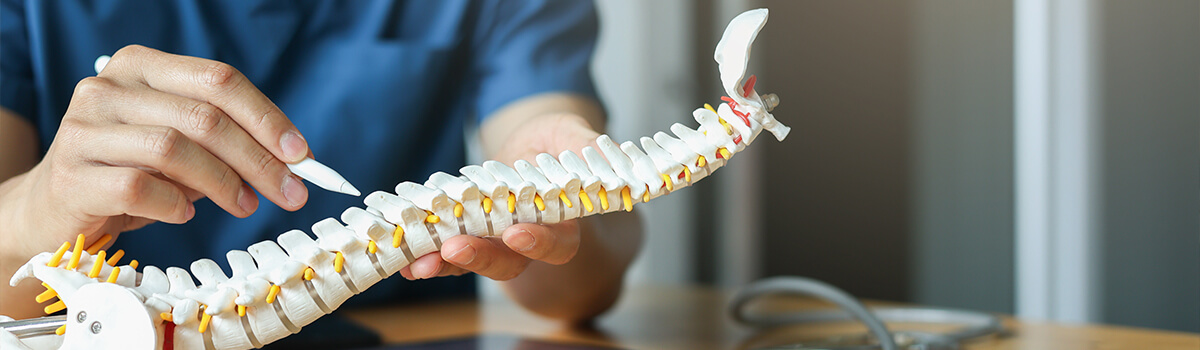
 Your bones do a lot — they support your body, protect your organs, help you move, produce blood cells, and store minerals like calcium and phosphorus.
They’re constantly changing, too. Every day, new bone forms while old bone breaks down. After age 30, you naturally start to lose slightly more bone than you build.
What Affects Bone Health?
Bone health is influenced by factors you can control and some you can’t.
Factors you can’t control:
- Age
- Sex
- Race
Factors you can control:
- Diet
- Physical activity
- Tobacco/alcohol use
- Hormone levels
- Being underweight
- Certain medications (glucocorticoids, SSRIs, proton pump inhibitors, some anti-seizure meds)
Poor diet and inactivity can speed up bone loss, increasing the risk of osteoporosis — a condition that causes weak, brittle bones that break easily.
The good news? You can strengthen your bones with the right nutrients and habits.

Calcium for Bone Health
Your bones are the main storage site for calcium. Think of them like a bank: calcium gets deposited and withdrawn daily.
To build strong bones, you need to deposit more than you withdraw, which means eating calcium-rich foods or taking supplements when needed.
Why It’s Important
Calcium determines how strong and dense your bones are.
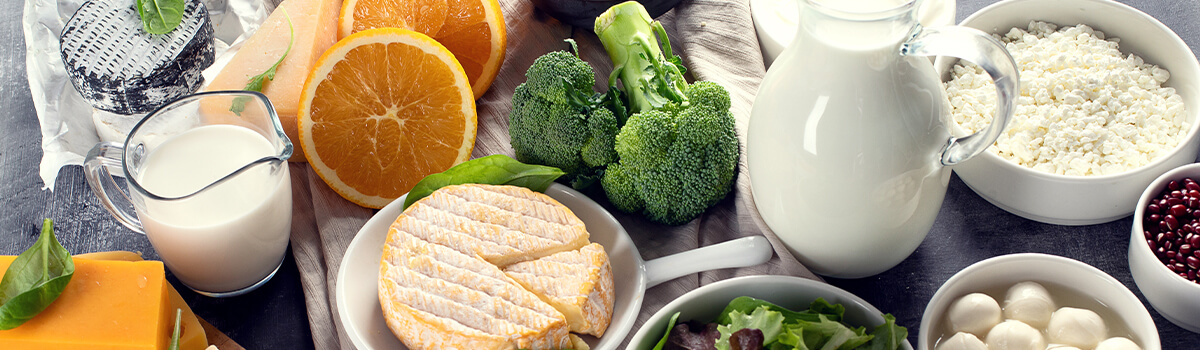
Calcium-Rich Foods
- Tofu & edamame
- Dairy products
- Collard greens
- Kale
- Broccoli
- Beans & legumes
- Salmon (canned with bones)
- Sardines (canned with bones)
- Almonds & almond milk
- Amaranth
How Much Calcium Do You Need?
- Women 19-50: 1,000 mg/day
- Women 51+: 1,200 mg/day
- Men 19-70: 1,000 mg/day
- Men 71+: 1,200 mg/day

Vitamin D for Bone Health
Vitamin D helps your body absorb calcium. Low vitamin D = low calcium absorption = accelerated bone loss.
Known as the “sunshine vitamin,” your body produces vitamin D from sun exposure. Just 10-30 minutes a day (without sunscreen) is often enough — but many people don’t get that much sun, especially in winter.
Why It’s Important
Without adequate vitamin D, you cannot absorb calcium well.
How Much Vitamin D Do You Need?
- Adults 19-70: 600 IU/day
- Adults 71+: 800 IU/day
Foods High in Vitamin D
- Salmon
- Sardines
- Tuna
- Cod liver oil
- Beef liver
- Egg yolks
- Shrimp
- Mushrooms
- Fortified milk & yogurt

Lifestyle Tips for Strong Bones
Soak Beans & Legumes
They’re high in calcium but also contain phytates, which block absorption. Soak them for a few hours and cook in fresh water to reduce phytates.
Watch Your Caffeine Intake
Too much caffeine reduces calcium absorption.
Limit: 400 mg/day (~4 cups of coffee)
Don’t Overdo the Salt
High sodium = more calcium lost in urine.
Limit to < 2,300 mg/day (about 1 tsp of salt).
Cut back on processed foods to reduce sodium intake.
Get Plenty of Protein
Protein makes up ~50% of bone volume, and low-protein diets reduce calcium absorption.
Aim for 0.8 g per kg of body weight.
Good sources: lean meats, wild fish, chicken, beans, lentils, quinoa, tofu, edamame, Greek yogurt, nuts, seeds.
Avoid Smoking & Limit Alcohol
Smoking weakens bones.
Heavy drinking reduces bone density.
Moderation:
- Women: up to 1 drink/day
- Men: up to 2 drinks/day
Exercise Regularly
Exercise strengthens both muscles and bones. Aim for 150 minutes per week.
Best types for bone health:
Weight-bearing: walking, hiking, dancing, running, jump rope, stair climbing, tennis, pickleball, basketball
CONTACT US
Dec 06, 2025 at 3:25 AM
What is the best calcium to take In your late 50's?
Dec 09, 2025 at 7:39 AM
Hi Kelly! Great question. We are always about a diet rich in calcium building foods and adding in a supplement that has a variety of other necessary vitamins to allow the calcium best absorption. You'll want to aim for 1200 mg/day with proper Vitamin D intake as well. AlgaeCal Plus, Thorne Bone Support, and Calciven are a few. :)